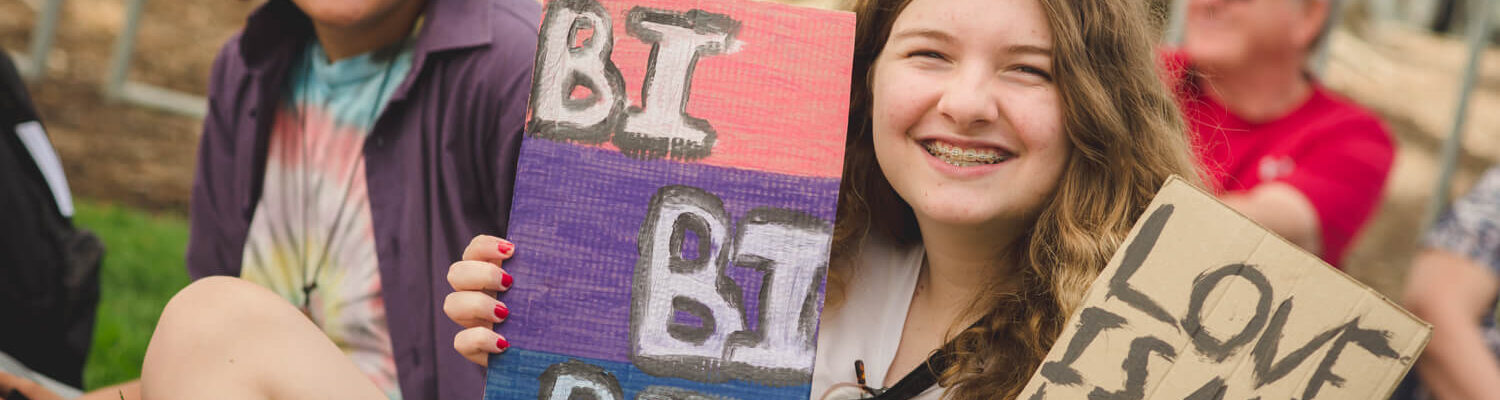
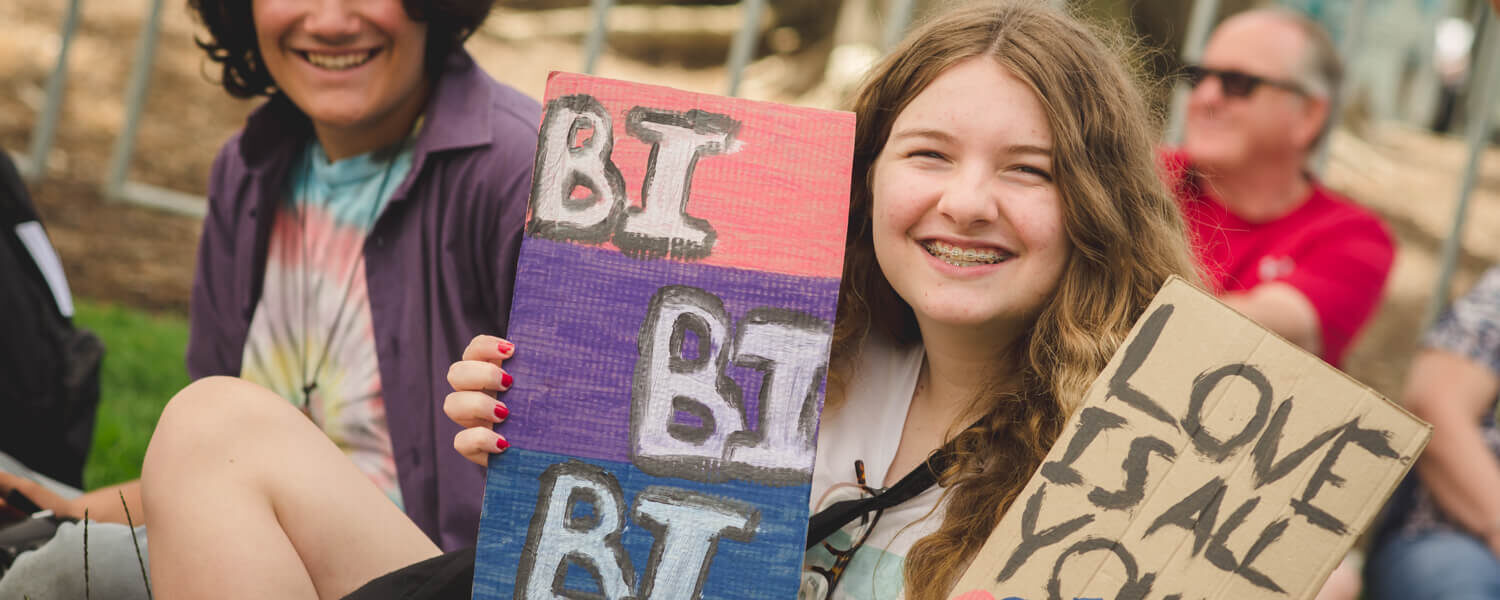

Introduction: Why We Need to Talk About This
Let’s be real—there’s a truckload of myths out there about bisexuality. Despite growing visibility, misinformation still runs rampant. For those in education and e-learning spaces, it’s crucial to clear things up. After all, how can we teach inclusivity if we’re working off faulty ideas?
So today, we’re diving into debunking myths about bisexuality—10 of them, to be exact. Some are subtle, some are outright wild, but all of them? They need to go.
Myth 1: Bisexuality Is Just a Phase
Where Did This Come From?
This tired claim usually pops up when someone comes out. People assume it’s a temporary stop on the way to being “fully gay” or “straight again.”
The Reality
Nope. Not true. Bisexuality is a valid sexual orientation, not a stepping stone. It’s not something people outgrow like braces or awkward teenage phases. It’s lifelong for many—and just as legitimate as being gay or straight.
Myth 2: Bisexual People Are Confused
The Oversimplification of Sexuality
Confusion is part of self-discovery, sure—but it doesn’t mean the final identity is invalid. This myth stems from society’s obsession with labeling everything neatly.
Embracing Fluidity
Being attracted to more than one gender doesn’t equal confusion—it means someone recognizes the spectrum of human attraction. That’s clarity, not chaos.
Myth 3: Bisexuals Are More Likely to Cheat
Relationship Stereotypes and Biphobia
Let’s smash this one. Cheating has nothing to do with orientation and everything to do with choices and boundaries. But bisexuals often get painted as inherently unfaithful, which is just… lazy stereotyping.
This myth breeds distrust and alienates people in relationships. Let’s retire it for good.
Myth 4: Bisexuality Equals 50/50 Attraction
Attraction Is Not a Math Equation
There’s no magical bisexual scale that assigns equal points to every gender. Attraction can vary. Some bisexual folks might mostly be into one gender and still be bi. It’s about potential for attraction—not quotas.
Myth 5: They’re Just Attention Seekers
Media Tropes and Harmful Narratives
Thanks to movies and reality TV, bisexual people are often portrayed as flirty, wild, and always making a scene. But these portrayals are more fantasy than fact.
Being open about your sexuality doesn’t mean you’re attention-hungry—it means you’re honest. Let’s not confuse the two.
Myth 6: Bisexual Men Don’t Exist
Toxic Masculinity’s Role
This myth is both biphobic and steeped in toxic masculinity. Society often shames men for being anything but aggressively straight. As a result, bisexual men face erasure and judgment from all sides.
They exist. They matter. And their sexuality is not up for debate.
Myth 7: Bisexual People Must Be Polyamorous
Bisexuality ≠ Relationship Style
Some bisexual people are polyamorous. Others are monogamous. Some don’t date at all. Sexual orientation doesn’t dictate how someone approaches relationships.
Assuming otherwise is like saying all vegans do yoga. Just… no.
Myth 8: You’re Not Bisexual If You’ve Only Dated One Gender
Identity vs. Experience
Let’s flip the logic here. Would you tell a straight person they’re not straight because they’ve never dated anyone? Of course not.
Identity isn’t about a dating resume. It’s about inner truth. Period.
Myth 9: Bisexuality Disappears in Monogamous Relationships
The Invisibility Problem
When a bisexual person dates someone of a particular gender, others often assume they’re gay or straight. But that’s erasure at its finest.
Just like being married doesn’t erase someone’s past, being in a monogamous relationship doesn’t erase bisexuality. It’s still part of who they are.
Myth 10: Bisexuality Isn’t Real
Erasure and Its Consequences
The most harmful myth of all. Claiming bisexuality isn’t real invalidates millions of people. It fuels stigma, limits representation, and discourages self-acceptance.
And for educators? It’s a red flag. Teaching from a place of denial creates unsafe spaces for learning and growth.
Why Debunking Myths Matters in Education
Fostering Inclusive Classrooms
Education should be a place of truth and inclusion. When we debunk myths about bisexuality, we create safer spaces for students to be themselves.
Curriculum Impacts
Inclusion starts with content. Are LGBTQ+ voices present in your reading lists? Do your e-learning modules reflect diverse identities? Representation matters—and it starts with understanding.
What Educators and E-Learners Can Do
Steps Toward Awareness and Allyship
- Educate yourself: Read, watch, and listen to bisexual voices.
- Challenge stereotypes: Speak up when you hear misinformation.
- Promote inclusive language: Use terms like “partner” or “they” when appropriate.
- Update resources: Ensure your learning materials don’t reinforce old myths.
In an education setting, allyship isn’t optional—it’s essential.
Conclusion: Breaking the Binary Thinking
It’s time we moved past these outdated, binary ideas. Bisexuality is real, valid, and not up for debate. Whether you’re a student, a teacher, or just someone looking to learn, challenging these myths is one step closer to a more inclusive world.
And remember: education is one of the strongest tools we have for change. Let’s use it wisely.
FAQs
- Is bisexuality different from pansexuality?
Yes. While both can involve attraction to more than one gender, pansexuality typically refers to attraction regardless of gender. Bisexuality usually refers to attraction to two or more genders. Labels are personal—respect people’s choices. - Can someone be bisexual and married?
Absolutely. Being in a monogamous relationship doesn’t change someone’s orientation. - What’s the best way to support bisexual students?
Listen, believe them, and create safe, inclusive spaces. Also, update your resources to reflect diverse identities. - Are these Debunking Myths present in e-learning environments too?
Unfortunately, yes. Many outdated modules, language, and examples still reinforce stereotypes. It’s on us to fix that. - Why is “debunking myths” important for educators?
Because misinformation can create stigma. Educators shape minds—let’s do it with truth, empathy, and inclusivity.
Explore more inclusive learning tools and culturally aware resources at NextEducation.co.nz — where learning meets understanding.
Next Education helps shape classrooms and digital platforms that empower every learner, every identity.