
Customers may spend only a few minutes in a business washroom, yet those few minutes can influence their impression of the entire premises. Employees use these facilities every day, making their condition equally important to workplace comfort.
For New Zealand businesses, a good washroom is not simply one that looks clean after servicing. It should remain practical during busy periods, provide the right facilities and make everyday hygiene straightforward. Planning around actual usage can prevent many common problems before they begin.
Start With the Number of Users
Washroom requirements vary considerably between workplaces. A small office used by a dozen employees will have different demands from a shopping environment, entertainment venue or large commercial facility receiving hundreds of visitors.
Businesses should consider both average use and peak periods. Facilities that appear adequate during quiet hours may struggle when several employees take breaks together, or large numbers of customers arrive within a short period.
Soap Facilities Need to Be Reliable
Hand washing becomes inconvenient very quickly when soap is unavailable. Dispensers should be positioned where they are easy to reach and should have enough capacity to suit the number of people using the facilities.
Selecting suitable soap dispensers is therefore about more than appearance. Capacity, ease of use, servicing requirements and placement can all influence how successfully a dispenser works within a particular washroom.
Consider the Complete User Journey
A person enters the washroom, uses the facilities, washes and dries their hands, and then leaves. Looking at this simple journey can reveal small design issues that might otherwise be missed.
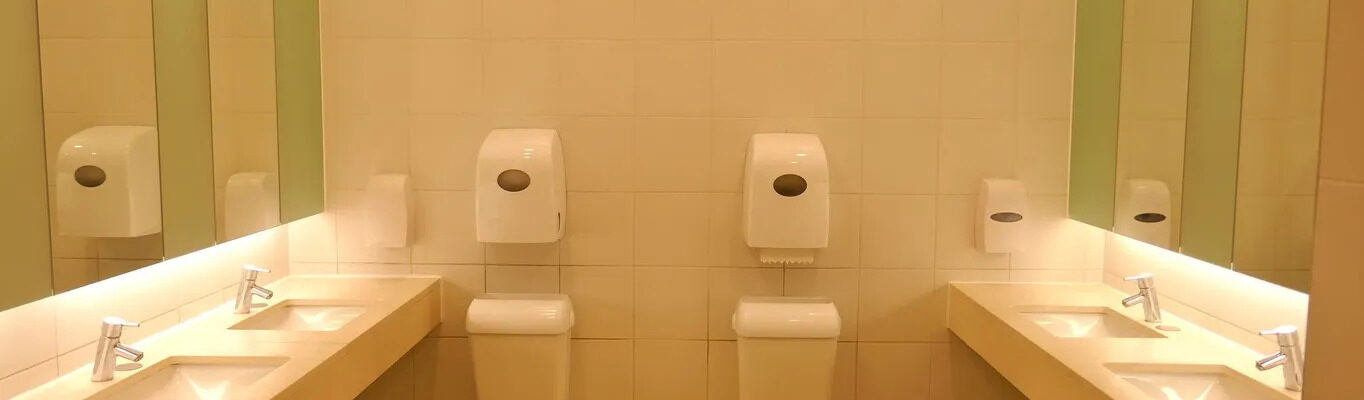
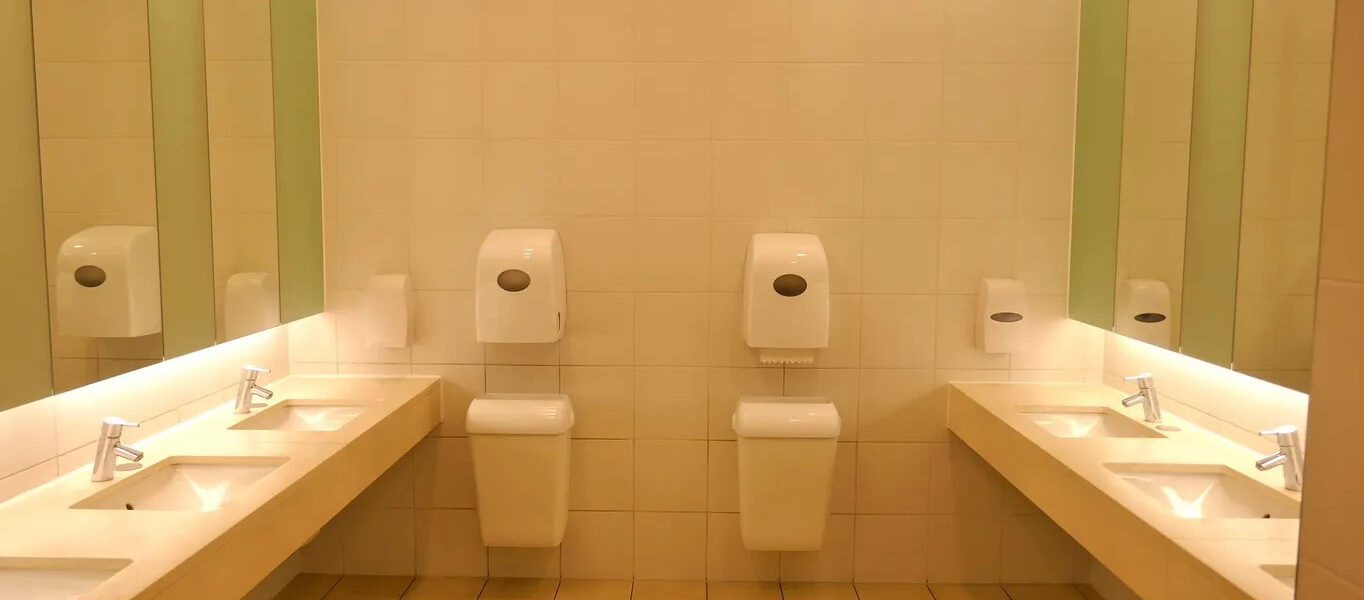
For example, users should not need to walk unnecessarily across a room with wet hands to find drying facilities. Bins should also be accessible without obstructing movement. A logical layout makes the washroom easier to use while supporting more orderly hygiene practices.
Feminine Hygiene Requires Proper Planning
Commercial washrooms need to accommodate different users respectfully. Appropriate sanitary disposal facilities are an important part of this planning and should not be treated as an optional extra or added only after complaints arise.
A professionally managed sanitary bin solution gives users an appropriate disposal option while helping businesses maintain cleaner facilities. Positioning is important too, as bins should be discreet but easy to access from where they are needed.
Do Not Wait for Supplies to Run Out
One of the simplest ways to improve washroom management is to establish regular checks. Soap, paper products and other consumables should be inspected according to actual usage rather than replenished only when someone reports that they are empty.
Busy workplaces may need checks more frequently than quieter locations. Monitoring usage over several weeks can help facilities teams understand which products run out fastest and whether servicing schedules need to be adjusted.
Cleanliness Includes More Than Surfaces
A washroom can have spotless floors and still create a poor experience if dispensers are empty, bins are overfilled or unpleasant odours are present. Effective management therefore involves several elements working together.
Cleaning schedules, waste management, consumable supplies and equipment maintenance should be coordinated. When each task is treated separately, small gaps can develop between them and affect the overall standard of the facility.
Ask Employees What They Notice
Facilities teams do not spend the entire day inside washrooms, but employees use them regularly. Staff feedback can reveal recurring problems such as a dispenser that frequently jams or supplies that consistently run low before scheduled servicing.
Acting on useful feedback also helps businesses adjust facilities as their workforce changes. An expanding team, new working hours or a redesigned office may all alter how heavily washrooms are used.
Conclusion
A successful workplace washroom combines cleanliness with practical design and dependable facilities. The details matter because employees and visitors notice when essential products are unavailable, or disposal facilities are inconvenient.
New Zealand businesses can improve washroom standards by considering user numbers, peak periods, equipment placement and regular servicing together, instead of reacting whenever something runs out or breaks, a planned approach helps facilities remain comfortable and functional throughout the working day. That consistency can contribute to a better workplace experience while making everyday hygiene easier for everyone using the premises.