
Introduction
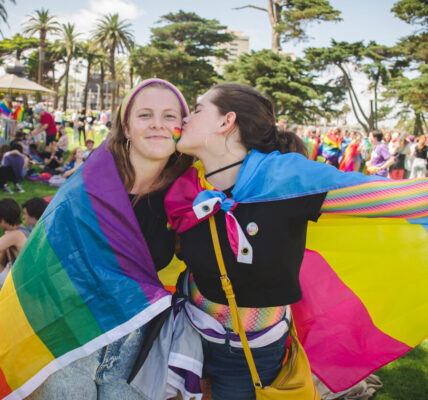
Ever looked at a rainbow flag and wondered what it really stands for—or why there are so many other colorful banners flying during Pride Month? You’re not alone. LGBTQ+ flags are powerful symbols, each representing a unique identity within the queer spectrum. In this guide, we’ll decode them all, blending education with visual representation to help learners and educators alike understand the vibrant spectrum of LGBTQ+ identities.
Why Flags Matter in LGBTQ+ Education
Flags aren’t just fabric—they’re voices. In LGBTQ+ education, they help people see themselves represented, respected, and acknowledged. These flags are tools for inclusion, especially in e-learning spaces where identity visibility can be limited.
The Power of Visual Identity
Humans are visual creatures. Our brains process images 60,000 times faster than text. That’s why a flag can speak volumes without saying a word. In e-learning or classroom environments, visual aids like flags help make abstract gender and sexuality concepts easier to grasp.
Pride Flag Origins
Let’s kick it off with where it all began.
The Original 1978 Rainbow Flag
Created by artist Gilbert Baker in 1978, this flag had eight colors—each symbolizing something unique:
- Pink: Sex
- Red: Life
- Orange: Healing
- Yellow: Sunlight
- Green: Nature
- Turquoise: Magic/Art
- Indigo: Serenity
- Violet: Spirit
Sadly, due to fabric availability, pink and turquoise were later dropped.
Modern Rainbow Flag
Today’s six-color version (red, orange, yellow, green, blue, violet) is the most recognizable LGBTQ+ symbol globally. It’s like the Swiss Army knife of queer identity—broad, bold, and inclusive.
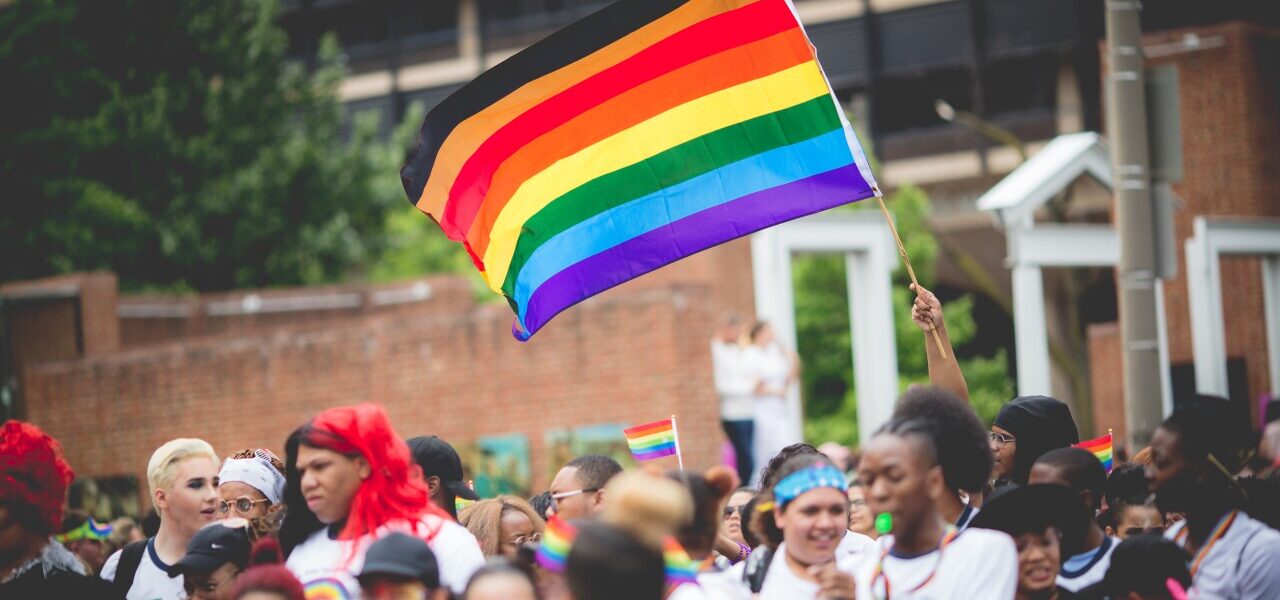
Philadelphia People of Color Inclusive Flag
In 2017, Philadelphia added black and brown stripes to spotlight queer people of color. It was a bold statement that said, “We see you. You matter.”
Progress Pride Flag
Daniel Quasar’s 2018 update includes white, pink, and blue (for trans folks), as well as black and brown stripes in a chevron shape—pointing forward for progress. A beautiful blend of past, present, and future.
Gender Identity Flags
Now let’s zoom in on flags that represent gender identities beyond the binary.
Transgender Flag
Designed by Monica Helms in 1999:
- Light Blue: Boys
- Pink: Girls
- White: Non-transitioning or non-binary people
Fun fact? It’s symmetrical. No matter how you fly it, it’s always correct—just like gender identity.
Non-Binary Flag
Yellow, white, purple, and black—each stripe telling a story:
- Yellow: Outside the binary
- White: All genders
- Purple: Between male and female
- Black: No gender
Genderfluid Flag
With pink, white, purple, black, and blue stripes, this flag shifts just like gender identity can. It’s a colorful reflection of gender in motion.
Agender Flag
Black and white stripes (lack of gender), green for non-binary, and grey for semi-gendered experiences. This one says, “I don’t do gender—and that’s valid.”
Sexual Orientation Flags
Let’s explore love, attraction, and who lights your spark.
Lesbian Flag
There are a few versions, but the sunset gradient (orange to pink) is widely used. It reflects diversity, community, and fierce femme energy.
Gay Men’s Flag
Less common but gaining popularity, this flag features shades of blue and green. It’s masculine, calm, and celebratory.
Bisexual Flag
Pink, purple, and blue:
- Pink: Attraction to the same gender
- Blue: Attraction to the opposite gender
- Purple: Everyone in between
Bi visibility matters—and this flag makes it clear.
Pansexual Flag
With pink, yellow, and blue stripes, this flag tells the world: “I’m attracted to people regardless of gender.”
Asexual Flag
Black, grey, white, and purple represent:
- Black: Asexuality
- Grey: Grey-asexual/demisexual
- White: Allies
- Purple: Community
Love comes in many forms—including none.
Romantic Orientation Flags
Sometimes, it’s not about sexual attraction at all.
Aromantic Flag
Green, light green, white, grey, and black—symbolizing people who experience little to no romantic attraction.
Demiromantic Flag
A variation of aromantic and asexual flags. Demiromantic folks only experience romantic attraction after forming a strong bond.
Other Important LGBTQ+ Flags
We’re not done yet—there’s more love and identity to explore.
Intersex Flag
No stripes here. Just a golden yellow background and a purple circle—representing wholeness and self-determination.
Polysexual Flag
Pink, green, and blue:
- Pink: Same gender
- Blue: Opposite gender
- Green: Attraction to multiple, not all, genders
Different from pansexual, but equally valid.
Bigender and Pangender Flags
Bigender: Pink, blue, white—representing two genders.
Pangender: A pastel rainbow—symbolizing all genders in harmony.
The Role of Education in Spreading Awareness
Teaching these flags isn’t just about rainbows—it’s about real lives. In both traditional and online classrooms, educators have the power to shape inclusive minds. Understanding LGBTQ+ identities fosters empathy, breaks down prejudice, and builds a better future.
Using Visuals in LGBTQ+ Learning Environments
Need to explain complex gender terms to high schoolers? Or maybe you’re creating an e-learning module for adult learners? Use these flags. They’re not just pretty graphics—they’re powerful teaching tools. Combine them with stories, videos, and case studies for deeper impact.
Conclusion
Flags are more than symbols—they’re lifelines. For many LGBTQ+ individuals, seeing their identity represented in a simple banner is everything. Whether you’re an educator, learner, or just a curious soul, understanding these flags brings us all a step closer to a more accepting world.
FAQs
- Why are there so many different LGBTQ+ flags?
Because there are many identities! Each flag honors a distinct experience or orientation, helping people feel seen. - Can these flags be used in schools or e-learning platforms?
Absolutely. They’re great visual aids and promote inclusive learning environments. - What’s the difference between pansexual and bisexual flags?
Bisexual refers to attraction to two or more genders, while pansexual means attraction regardless of gender. Similar but not identical. - Who created the rainbow pride flag?
Gilbert Baker, an artist and gay rights activist, designed it in 1978. - Are these flags officially recognized?
There’s no global flag authority, but within LGBTQ+ communities, these flags are widely accepted and celebrated.
Learn more about inclusive education and teaching tools at NextEducation.co.nz — your partner in innovative, equality-driven learning.
Discover engaging visual content and e-learning resources tailored for inclusive classrooms at NextEducation.co.nz!