
Online Safety and Digital Relationships for Students

Introduction
How much of a student’s social life now happens online?
From messaging apps and social media to gaming communities and virtual classrooms, digital communication has become a normal part of everyday life. While technology creates opportunities to connect, learn, and collaborate, it also introduces new challenges that young people must learn to navigate safely.
Understanding digital relationships NZ students experience today is an essential part of building healthy friendships, protecting wellbeing, and developing positive online habits. Whether students are communicating with classmates, online friends, or family members, the way they interact online can have a lasting impact on their safety and mental health.
Research shows that young people spend significant amounts of time online, making digital wellbeing and online safety more important than ever. By learning about respectful communication, privacy, consent, and healthy boundaries, students can enjoy the benefits of technology while reducing potential risks.
This guide explores healthy digital relationships for students, practical online safety strategies, and how schools and families can support positive online experiences.
What Are Digital Relationships?
Digital relationships are connections that develop and exist through technology. These relationships can include:
- Friendships maintained through social media
- Communication through messaging apps
- Online gaming communities
- Virtual study groups
- Family interactions through digital platforms
- Romantic relationships that involve online communication
In today’s connected world, digital relationships NZ students develop are often just as meaningful as face-to-face interactions. However, online communication can sometimes make it harder to interpret tone, intentions, and boundaries.
This is why digital relationship education is becoming an important part of student wellbeing and relationship learning.
Why Digital Relationships Matter for Students
Students use digital platforms every day to communicate, learn, and socialize. Healthy digital interactions can provide many benefits.
Positive Benefits of Healthy Digital Relationships
Healthy online relationships can help students:
- Build confidence and social skills
- Stay connected with friends and family
- Access support networks
- Collaborate on school projects
- Explore interests and hobbies
- Develop digital citizenship skills
When students understand how to communicate respectfully online, they are more likely to create positive and supportive digital environments.
Potential Risks Students Should Understand
Not all online interactions are positive.
Some common risks include:
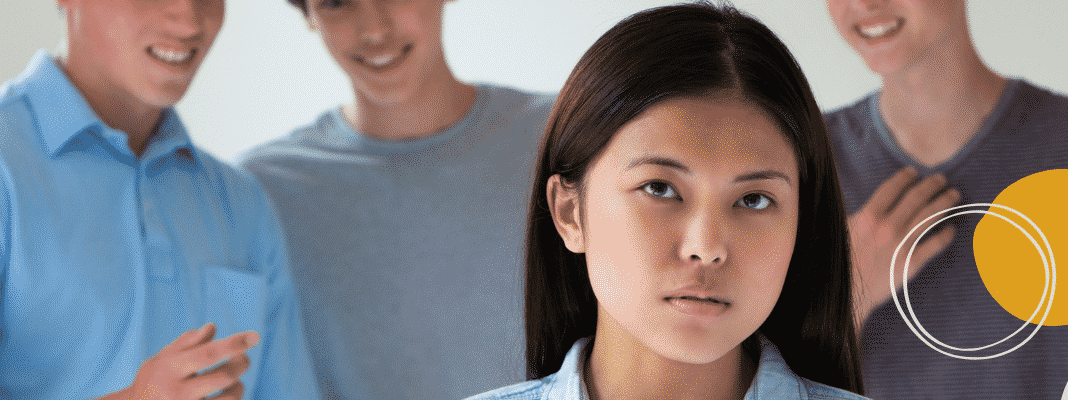
- Cyberbullying
- Privacy breaches
- Online harassment
- Peer pressure
- Misinformation
- Unhealthy relationship dynamics
- Contact with strangers
According to the New Zealand government cyber safety resources, understanding online risks and protective behaviours helps young people make safer choices online.
Healthy Digital Relationships for Students
Healthy relationships online share many of the same characteristics as healthy relationships offline.
Respectful Communication
Respect is the foundation of every healthy digital relationship.
Students should:
- Communicate kindly
- Avoid hurtful comments
- Respect differing opinions
- Think before posting or sharing content
A simple rule is to never post something online that you would not say respectfully in person.
Digital Consent Matters
Consent is an important part of digital relationships NZ students should understand.
Digital consent includes:
- Asking permission before sharing photos
- Respecting someone’s privacy
- Not forwarding private messages
- Seeking approval before tagging others online
Teaching digital consent helps students build trust and maintain healthy online relationships.
Creating Healthy Boundaries
Healthy boundaries help students feel safe and respected online.
Examples include:
- Limiting screen time
- Deciding who can contact them
- Controlling privacy settings
- Saying no to uncomfortable requests
Students should know they have the right to set boundaries and communicate them clearly.
Online Safety Tips for Digital Relationships NZ Students
Protect Personal Information
One of the most effective online safety practices is protecting personal information.
Students should avoid sharing:
- Home addresses
- Phone numbers
- Passwords
- School schedules
- Financial information
The less sensitive information shared publicly, the lower the risk of misuse.
Review Privacy Settings Regularly
Most social media platforms provide privacy controls.
Students should:
- Use private accounts when appropriate
- Review follower lists
- Limit location sharing
- Update privacy settings regularly
Privacy settings provide an important first layer of online protection.
Think Before You Share
Digital content can spread quickly and may remain online for years.
Before posting, students should ask:
- Is this respectful?
- Is it true?
- Would I be comfortable if others saw it?
- Could it affect my future opportunities?
Developing this habit helps support long-term digital wellbeing.
Recognise Warning Signs of Unhealthy Online Relationships
Students should be aware of behaviours that may indicate unhealthy digital relationships.
Warning signs include:
- Excessive monitoring
- Pressure to share private content
- Manipulation or threats
- Constant demands for attention
- Controlling behaviour
Recognising these signs early can help students seek support when needed.
The Role of Schools in Digital Relationship Education
Schools play a critical role in helping students develop safe online behaviours.
Through relationship and sexuality education, students can learn:
- Healthy communication skills
- Online consent
- Digital citizenship
- Respectful relationships
- Cyber safety practices
 Relationship and Sexuality Education Curriculum NZ
Integrating digital relationship education into existing wellbeing programs helps students apply these lessons in real-world situations.
Supporting Digital Wellbeing at Home
Parents and caregivers also influence how young people manage digital relationships.
Encourage Open Conversations
Students are more likely to seek help when they feel comfortable discussing online experiences.
Parents can ask:
- What apps do you use most?
- Have you experienced anything uncomfortable online?
- How do you handle disagreements online?
Open communication builds trust and awareness.
Model Positive Online Behaviour
Young people often learn by observing adults.
Parents can demonstrate:
- Respectful communication
- Healthy screen habits
- Responsible social media use
- Privacy awareness
Positive modelling reinforces healthy digital relationship behaviours.
Create Family Digital Agreements
Family agreements can establish clear expectations around:
- Screen time
- Online behaviour
- Privacy
- Safety practices
These agreements work best when created collaboratively.
School Health and Wellbeing Programmes
Digital Citizenship and Responsible Online Behaviour
Digital citizenship refers to using technology responsibly, ethically, and safely.
Students who practice good digital citizenship:
- Respect others online
- Verify information before sharing
- Protect personal information
- Report harmful behaviour
- Contribute positively to online communities
Developing these skills strengthens both digital safety and relationship skills.
Trusted Resources for Online Safety
Students, educators, and families can access reliable guidance from:
These organisations provide evidence-based information on online safety, digital wellbeing, and healthy digital relationships.
Frequently Asked Questions
What are digital relationships?
Digital relationships are connections formed or maintained through online platforms such as social media, messaging apps, gaming communities, and virtual learning environments. These relationships can involve friends, family members, classmates, or other online contacts and require the same respect, trust, and communication skills as offline relationships.
How can students stay safe in online relationships?
Students can stay safe by protecting personal information, using privacy settings, communicating respectfully, recognizing unhealthy behaviours, and seeking support when something feels wrong. Developing digital literacy and online safety awareness also helps students make informed decisions in digital spaces.
Why are digital relationships important for students?
Digital relationships help students stay connected, collaborate with peers, access support networks, and develop communication skills. Because much of modern social interaction occurs online, understanding healthy digital relationship practices contributes to wellbeing, safety, and positive personal development.
What are the signs of an unhealthy online relationship?
Signs may include controlling behaviour, pressure to share private information, excessive monitoring, manipulation, threats, or emotional abuse. Students should trust their instincts and seek support from trusted adults, teachers, or caregivers if they experience these behaviours.
What is digital consent?
Digital consent involves obtaining permission before sharing photos, messages, videos, or personal information. Respecting digital consent helps build trust, protect privacy, and create healthier online interactions between individuals.
Conclusion
Digital technology has transformed how students communicate, learn, and build relationships. Understanding digital relationships NZ students experience today is essential for promoting online safety, healthy communication, and digital wellbeing.
By developing respectful online habits, practicing digital consent, setting healthy boundaries, and recognizing potential risks, students can build positive digital connections that support their growth and wellbeing.
Schools, families, and communities all play an important role in helping young people navigate the digital world safely. As technology continues to evolve, are we doing enough to prepare students for the relationships they build online every day?
To learn more about relationship and sexuality education in New Zealand schools, explore our comprehensive RSE curriculum resources.