Healthy Relationships Education in New Zealand Schools

Introduction
What helps young people build respectful friendships, communicate effectively, and navigate relationships with confidence? The answer often starts with education.
Healthy relationships education NZ schools provide is becoming increasingly important as students face complex social, emotional, and digital challenges. Research consistently shows that relationship education helps young people develop communication skills, empathy, self-awareness, and respect for others. These skills not only improve classroom environments but also support lifelong wellbeing.
In New Zealand, healthy relationships education forms an important part of Relationships and Sexuality Education (RSE). Through age-appropriate learning, students gain practical tools to understand boundaries, consent, diversity, emotional intelligence, and healthy interpersonal relationships.
As schools continue to strengthen student wellbeing initiatives, healthy relationships education NZ programmes are helping create safer and more inclusive learning environments. This guide explores what healthy relationships education looks like in New Zealand schools, why it matters, and how parents, educators, and communities can support positive outcomes for young people.
What Is Healthy Relationships Education in New Zealand?
Healthy relationships education teaches students how to build positive, respectful, and safe relationships with others.
In New Zealand schools, this learning is delivered through Relationships and Sexuality Education (RSE), which is part of the Health and Physical Education curriculum. Students learn age-appropriate concepts that support social, emotional, and personal development.
Key topics often include:
- Respect and empathy
- Communication skills
- Conflict resolution
- Understanding boundaries
- Consent education
- Online relationships and digital safety
- Diversity and inclusion
- Emotional wellbeing
Rather than focusing solely on romantic relationships, healthy relationships education NZ programmes address friendships, family relationships, peer interactions, and community connections.
 For a deeper understanding of the curriculum framework, see our guide on the RSE Curriculum NZ:
https://www.nexteducation.co.nz/rse-curriculum-nz/
Why Healthy Relationships Education Matters for Students
Building Strong Communication Skills
Effective communication is one of the most important life skills students can develop.
Healthy relationships education teaches young people how to:
- Express feelings appropriately
- Listen actively
- Resolve disagreements respectfully
- Understand different perspectives
These skills contribute to stronger friendships, improved classroom interactions, and healthier future relationships.
Supporting Emotional Wellbeing
Students who understand emotions and relationship dynamics are often better equipped to manage challenges.
Relationship education helps young people:
- Recognize emotions
- Build resilience
- Develop self-confidence
- Seek support when needed
According to the New Zealand Ministry of Education, wellbeing plays a central role in helping students succeed academically and socially.
Creating Safer School Communities
Healthy relationships education NZ initiatives encourage respect, inclusion, and positive behaviour.
Students learn to identify:
- Unhealthy relationship patterns
- Bullying behaviours
- Coercion and manipulation
- Unsafe online interactions
By increasing awareness, schools can foster environments where students feel safe, valued, and supported.
How Healthy Relationships Education Is Taught in NZ Schools
Age-Appropriate Learning
One of the strengths of New Zealand’s approach is that learning is tailored to students’ developmental stages.
Primary school students may explore:
- Friendship skills
- Kindness and respect
- Emotional awareness
- Personal boundaries
Secondary school students often discuss:
- Consent
- Relationship dynamics
- Gender identity
- Digital citizenship
- Healthy decision-making
This progression ensures that students receive information relevant to their age and experiences.
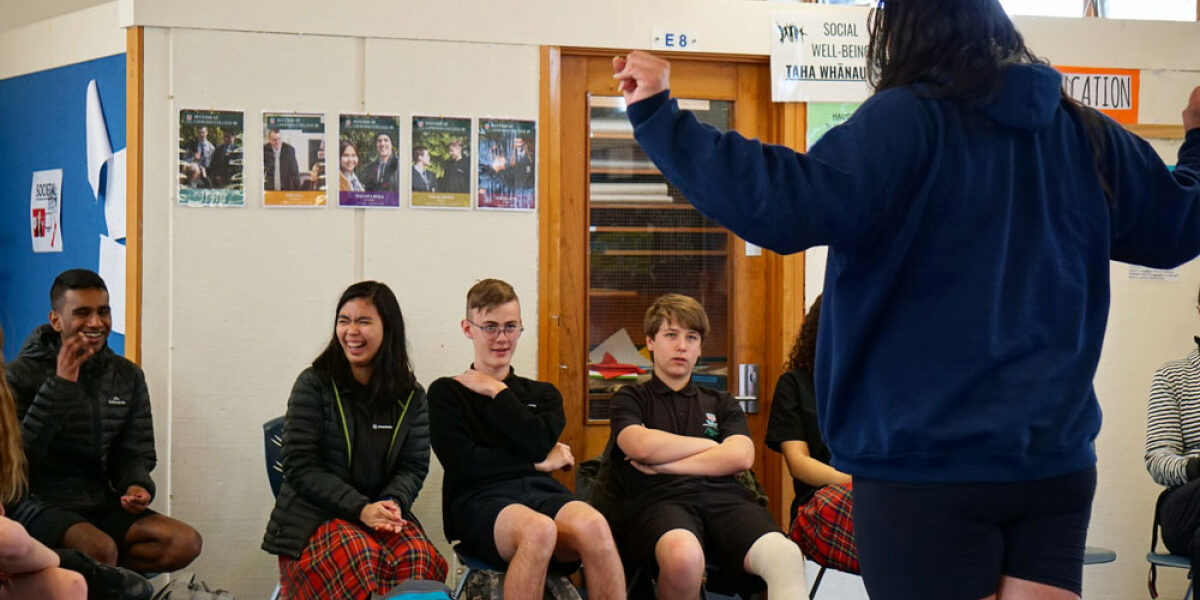
Interactive Classroom Activities
Healthy relationship lessons for students NZ schools often use practical activities to encourage engagement.
Examples include:
- Role-playing scenarios
- Group discussions
- Reflection exercises
- Problem-solving activities
- Case studies
Interactive learning helps students apply concepts to real-life situations rather than simply memorizing information.
Community and Family Involvement
Schools regularly consult with parents and communities regarding Relationships and Sexuality Education programmes.
This collaborative approach helps ensure that learning reflects community values while meeting curriculum requirements.
A Guide about Parent Involvement in RSE Education
Key Topics Covered in Healthy Relationships Education
Respectful Relationships
Respect forms the foundation of all healthy relationships.
Students learn how to:
- Value differences
- Treat others fairly
- Respect boundaries
- Build trust
These lessons support positive interactions both inside and outside school.
Consent and Personal Boundaries
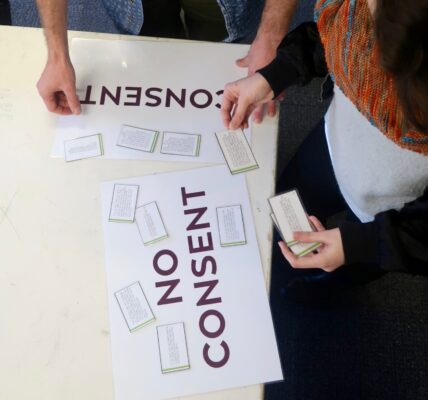
Consent education has become an increasingly important component of relationship education.
Students learn that:
- Consent must be freely given
- Everyone has personal boundaries
- Respecting others’ choices is essential
- Communication is critical in all relationships
The World Health Organization highlights the importance of relationship and consent education in promoting health and wellbeing.
Online Relationships and Digital Safety
Young people spend significant time online, making digital relationship skills essential.
Students explore:
- Online communication
- Social media interactions
- Privacy and security
- Cyberbullying prevention
- Responsible digital citizenship
These lessons help students navigate digital environments safely and responsibly.
Diversity and Inclusion
Healthy relationships education NZ programmes promote understanding and respect for diverse identities, backgrounds, and experiences.
Students learn:
- Empathy
- Cultural awareness
- Inclusive behaviour
- Respect for individual differences
This contributes to stronger school communities and greater social cohesion.
Benefits of Healthy Relationships Education for Schools
Improved Student Behaviour
Schools that prioritize relationship education often report stronger peer relationships and improved classroom environments.
Students who understand communication and conflict resolution strategies are better prepared to handle disagreements constructively.
Enhanced Academic Outcomes
Research suggests that student wellbeing and academic success are closely connected.
When students feel safe, respected, and emotionally supported, they are more likely to engage positively with learning.
Better Mental Health Outcomes
Relationship education supports emotional literacy and resilience.
According to the UNESCO International Technical Guidance on Sexuality Education, comprehensive relationship education contributes to improved health and wellbeing outcomes for young people.
Practical Ways Schools Can Strengthen Healthy Relationships Education
Provide Ongoing Teacher Training
Teachers play a crucial role in delivering effective relationship education.
Professional development helps educators:
- Stay informed about best practices
- Facilitate sensitive discussions confidently
- Create inclusive learning environments
Encourage Student Voice
Students should have opportunities to contribute their perspectives and experiences.
This can be achieved through:
- Student surveys
- Classroom discussions
- Youth leadership initiatives
- Peer mentoring programmes
Integrate Wellbeing Across the Curriculum
Healthy relationship skills can be reinforced across multiple learning areas.
Examples include:
- Collaborative projects
- Social-emotional learning activities
- Leadership opportunities
- Community engagement programmes
Wellbeing or Social-Emotional Learning
Healthy Relationships Education NZ: Looking Ahead
As society continues to evolve, healthy relationships education NZ schools provide will remain essential.
Students today face challenges that previous generations never encountered, including social media pressures, digital relationships, and rapidly changing social environments.
Future-focused relationship education helps equip young people with the knowledge, confidence, and critical thinking skills needed to build healthy connections throughout life.
By combining evidence-based teaching practices, community engagement, and student-centred learning, New Zealand schools can continue supporting positive outcomes for future generations.
Frequently Asked Questions
What is healthy relationships education in NZ schools?
Healthy relationships education teaches students how to develop respectful, safe, and positive relationships. It covers communication, empathy, boundaries, consent, emotional wellbeing, and conflict resolution through age-appropriate learning experiences within New Zealand’s Health and Physical Education curriculum.
Why is healthy relationships education important?
Healthy relationships education helps students build essential life skills that support wellbeing, safety, and positive social interactions. It encourages respect, empathy, effective communication, and healthy decision-making while helping students recognize unhealthy behaviours and seek support when needed.
At what age do students learn about healthy relationships?
Relationship education begins in primary school with topics such as friendship, kindness, and emotional awareness. As students progress through school, learning expands to include consent, digital relationships, diversity, and more complex relationship concepts appropriate to their developmental stage.
How does healthy relationships education support student wellbeing?
Students who understand emotions, communication, and relationship dynamics are often better equipped to manage challenges. Relationship education supports resilience, confidence, emotional literacy, and positive social connections that contribute to overall wellbeing.
How can parents support healthy relationships education?
Parents can reinforce learning by encouraging open conversations, modelling respectful behaviour, discussing online safety, and staying informed about school programmes. Collaboration between families and schools helps create consistent messages and stronger learning outcomes for students.
Conclusion
Healthy relationships education NZ schools provide is about much more than teaching relationship concepts. It helps young people develop the communication skills, empathy, confidence, and resilience needed to thrive in an increasingly complex world.
By promoting respect, inclusion, consent, and emotional wellbeing, relationship education supports safer schools and healthier communities. As part of New Zealand’s broader Relationships and Sexuality Education framework, it equips students with practical skills that benefit them throughout their lives.
Want to learn more about how relationship education fits within New Zealand’s curriculum? Explore our comprehensive RSE resources and discover how schools, parents, and communities can work together to support student wellbeing and success. What role do you think healthy relationships education should play in preparing young people for the future?