Understanding Sexuality in the Context of RSE in New Zealand

Understanding Sexuality Through Relationships and Sexuality Education
Sexuality is a natural part of human development. It influences how people understand themselves, build relationships, and connect with others. Within Relationships and Sexuality Education (RSE) in New Zealand, sexuality education helps learners develop knowledge, respect, empathy, and confidence throughout their lives.
Rather than focusing only on sexual behaviour, sexuality education explores identity, attraction, relationships, values, wellbeing, and personal boundaries. It supports young people in making informed decisions while fostering respect for diversity.
As part of the wider RSE curriculum, sexuality education helps create safe and inclusive learning environments where every learner feels seen, valued, and respected.
What Does Sexuality Mean?
Sexuality refers to the way people experience and express attraction, relationships, identity, and intimacy. It can include:
- Sexual orientation
- Romantic attraction
- Emotional attraction
- Personal values and beliefs
- Relationship preferences
- Self-identity and self-expression
For some people, sexuality remains consistent throughout life. For others, it may evolve as they gain new experiences and understanding.
Understanding sexuality helps learners develop healthy relationships and build respect for people whose experiences may differ from their own.
Why Sexuality Education Matters in New Zealand Schools
Quality sexuality education is a core component of Relationships and Sexuality Education in Aotearoa New Zealand.
Research consistently shows that comprehensive sexuality education contributes to:
- Improved wellbeing
- Stronger relationship skills
- Increased respect for diversity
- Better understanding of consent
- Reduced bullying and discrimination
- Healthier decision-making
When delivered effectively, sexuality education empowers learners with factual, age-appropriate information while promoting inclusion and belonging.
Understanding the Sexuality Spectrum
Human sexuality exists on a spectrum rather than within fixed categories. Different people experience attraction and relationships in different ways.
Heterosexual
A heterosexual person is primarily attracted to people of a different gender.
Gay and Lesbian
These terms generally describe people who are attracted to others of the same gender.
Bisexual
Bisexual people may experience attraction to more than one gender.
Pansexual
Pansexual individuals may experience attraction regardless of gender identity.
Asexual
Asexual people experience little or no sexual attraction to others. However, many still form meaningful romantic and emotional relationships.
Questioning and Fluid Identities
Some individuals may be exploring their identity or find that their experiences of attraction change over time. RSE encourages respectful understanding of these experiences without judgment.
Sexual Orientation and Gender Identity: Understanding the Difference
A common misconception is that sexual orientation and gender identity mean the same thing.
Sexual orientation describes who someone is emotionally, romantically, or sexually attracted to.
Gender identity refers to a person’s internal understanding of their gender.
While these aspects of identity can intersect, they are separate concepts. Understanding this distinction helps learners build respect for diverse experiences and identities.
The Role of Sexuality Education in Building Healthy Relationships
One of the primary goals of sexuality education is helping young people develop healthy relationship skills.
This includes learning about:
- Respect
- Communication
- Consent
- Personal boundaries
- Empathy
- Emotional wellbeing
By understanding these concepts, learners are better equipped to navigate friendships, family relationships, and future romantic relationships.
For a deeper understanding of attraction and relationships, read our guide on The Difference Between Romantic and Sexual Attraction.
Creating Inclusive Learning Environments
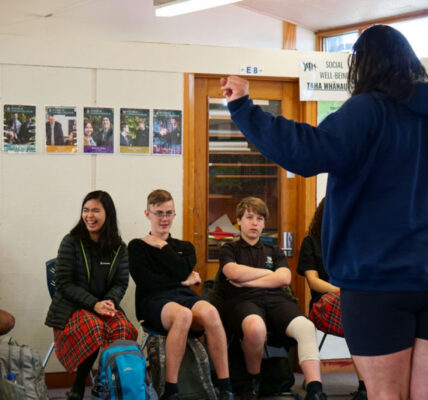
Inclusive sexuality education ensures all learners feel represented in the classroom.
When students see diverse identities reflected in learning materials, they are more likely to feel accepted and engaged. Inclusive teaching also helps reduce stereotypes and promotes greater understanding among peers.
Educators can support inclusion by:
- Using respectful language
- Challenging harmful stereotypes
- Encouraging open discussion
- Providing accurate information
- Representing diverse experiences
These practices align with the goals of New Zealand’s RSE framework and contribute to positive learning outcomes.
Addressing Common Misconceptions About Sexuality
Misinformation about sexuality can create confusion and stigma.
Some common myths include:
Myth: Sexuality Is a Choice
Sexual orientation is not something people choose. It is a deeply personal aspect of identity.
Myth: Everyone Experiences Attraction the Same Way
People experience attraction differently. Some may experience strong attraction, while others may identify as asexual or demisexual.
Myth: Labels Are Required
While labels can help some people understand themselves, others may choose not to use any labels at all. Both experiences are valid.
Supporting Student Wellbeing Through RSE
Sexuality education plays an important role in supporting student wellbeing.
When learners receive accurate, age-appropriate information, they are more likely to:
- Develop confidence
- Build healthy relationships
- Respect diversity
- Seek support when needed
- Make informed decisions
A strong foundation in sexuality education contributes to safer, more supportive school communities.
Sexuality Education and the Future of Learning
As education continues to evolve, sexuality education remains an essential part of preparing young people for life beyond the classroom.
Modern RSE programmes increasingly incorporate digital literacy, online safety, emotional intelligence, and inclusive practices to meet the needs of today’s learners.
By providing comprehensive sexuality education, schools can support the development of informed, respectful, and resilient individuals.
Conclusion
Understanding sexuality is an important part of Relationships and Sexuality Education in New Zealand. Through comprehensive sexuality education, learners gain the knowledge and skills needed to build healthy relationships, respect diversity, and support their own wellbeing.
As part of a broader commitment to inclusive education, sexuality education helps create learning environments where every student can thrive, regardless of their identity or experiences.
Related Reading
- RSE Curriculum NZ
- The Difference Between Romantic and Sexual Attraction
- Asexuality 101: What It Is and What It Isn’t
Resources